

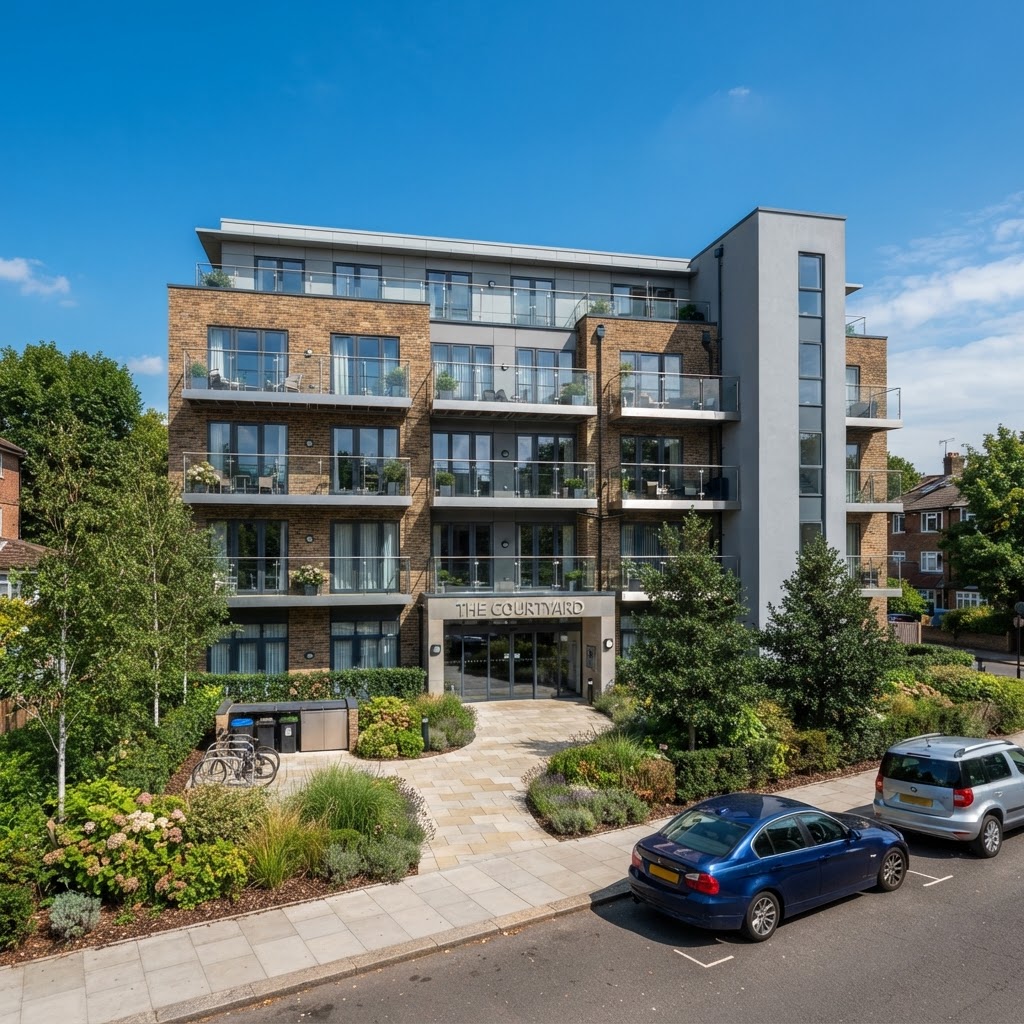
The Complete Guide to Building Management Services in the UK
If you own, lease, or look after a property in the UK — whether it's a single rental flat, a portfolio of commercial units, or a mixed-use development — you will already know that buildings do not look after themselves. Boilers fail, roofs leak, tenants complain, compliance certificates lapse, and contractors need chasing. Building management services exist to take that burden off your shoulders and keep your property running smoothly, legally, and cost-effectively.
At CLG UK, we work with property owners across Cheltenham, Gloucester, the Cotswolds and the wider Gloucestershire area. This guide draws on what we see every day: the problems that catch owners out, the costs that spiral when maintenance is ignored, and the genuine difference professional management makes. Whether you're new to property ownership or reviewing an existing arrangement, here is everything you need to know.
What Are Building Management Services?
Building management services are the day-to-day oversight of a physical property (or portfolio of properties) on behalf of the owner. The manager — sometimes called a property manager, facilities manager, or block manager depending on the context — acts as your eyes and ears on the ground. They make sure the building is maintained, compliant, financially accounted for, and that the people inside it (tenants, staff, visitors) are looked after.
Think of building management as the operational layer between "owning a property" and "the property actually working." An owner can hold title to a building, but without active management, the value of that asset erodes: repairs go undone, legal obligations are missed, and occupiers become unhappy.
In the UK, building management is used by:
- Residential landlords with one or more rental properties
- Freeholders and leaseholders of apartment blocks
- Commercial property owners with offices, retail units or warehouses
- Investors managing mixed-use portfolios
- Estate owners with multiple buildings on a single site
What Do Building Management Services Include?
The scope can be tailored, but a comprehensive building management service typically covers six core areas.
1. Planned Preventative Maintenance (PPM)
This is the scheduled, proactive side of looking after a building — servicing boilers, clearing gutters, testing fire alarms, re-decorating on a cycle, and replacing components before they fail. PPM is about catching small problems before they become expensive ones. A well-built PPM schedule can extend the life of plant and equipment by years and dramatically reduce emergency call-out costs.
2. Reactive Maintenance
When something breaks — a burst pipe, a failed light fitting, a jammed door — reactive maintenance is the rapid response. A good building manager has a vetted network of contractors on call, arranges access, oversees the repair, and signs off the work. The aim is to minimise downtime and disruption for occupiers.
3. Compliance and Safety
UK property owners carry real legal obligations: gas safety certificates, electrical installation condition reports (EICRs), fire risk assessments, emergency lighting tests, legionella checks, and for commercial premises, things like MEES (Minimum Energy Efficiency Standards). A building manager tracks every certificate, schedules the assessments, and keeps a documented audit trail — essential if you are ever inspected or challenged.
4. Contractor Management
From cleaners and gardeners to lift engineers and security firms, buildings run on contractors. Management means selecting reliable suppliers, agreeing fair prices, scheduling their visits, checking their work, and holding them to account. Done well, this alone often saves more than the management fee costs.
5. Financial Management
This covers service charge collection, budgeting for the year ahead, paying invoices, reconciling expenditure, and providing clear statements to owners or leaseholders. Transparency here is not optional — leaseholders in particular have legal rights to see how their service charge money is spent.
6. Tenant and Occupier Liaison
A building is only as successful as the people in it are happy. Good management means a clear point of contact for tenants, prompt handling of queries and complaints, regular communication, and a professional relationship that keeps occupancy high and voids low.
Who Needs Building Management Services?
Not every property owner needs full management — but most benefit from it once they have more than one property, or one property that is anything other than straightforward.
You probably need building management if:
- You live far from the property (common with Gloucestershire second homes and Cotswold holiday lets)
- You own a block with multiple leaseholders
- You hold a commercial portfolio and cannot be on site for every issue
- You are a landlord who wants the legal and compliance burden handled
- You have a listed building or period property requiring specialist maintenance
- You simply do not have the time to chase plumbers at 7am on a Tuesday
Many of our clients in Cheltenham and the Cotswolds fall into the "time-poor professional" category — they own valuable property but their day job is elsewhere. For them, management is not a luxury; it is how they protect their investment.
Building Management vs Property Management — What's the Difference?
These terms are often used interchangeably, and in practice the line is blurred. But roughly:
- Property management tends to focus on the letting and tenancy side — finding tenants, collecting rent, dealing with deposits, and managing the landlord-tenant relationship.
- Building management focuses on the physical asset — the fabric, the plant, the compliance, and the contractors who keep the structure sound.
In smaller properties one manager often does both. In larger or more complex buildings (especially commercial or multi-tenancy blocks), the roles split. At CLG UK, because our background is in construction and project management, our building management leans towards the structural and maintenance side — keeping the building itself in excellent condition.
How Much Do Building Management Services Cost?
Pricing structures in the UK typically fall into three models:
- Percentage of rent or service charge — common for let residential property, usually 8–15% of collected rent.
- Fixed monthly fee — common for blocks and commercial units, giving predictable budgeting.
- Project or hourly rate — used for one-off oversight, such as a major refurbishment or a specific compliance project.
The right model depends on your property. A single rental flat may suit a percentage fee; a portfolio of commercial units usually suits a fixed monthly retainer with agreed scope. Be wary of quotes that look too cheap — underpriced management usually means corners cut on compliance or maintenance, which costs you far more later.
The real question is not "what does management cost?" but "what does unmanaged property cost?" A missed gas safety check, a roof leak ignored for a season, or a single disgruntled tenant who leaves — each of these can dwarf a year of management fees.
The Benefits of Professional Building Management
- Peace of mind — you know the building is being looked after, even when you're not there
- Lower lifetime costs — preventative maintenance is always cheaper than emergency repairs
- Legal protection — compliance is tracked and documented
- Happier occupiers — faster responses mean fewer voids and disputes
- Protected asset value — a well-maintained building holds and grows its value
- Clear finances — you can see exactly what you're spending and why
- Your time back — perhaps the most valuable benefit of all
Choosing a Building Management Partner in Gloucestershire
Local knowledge matters. A manager who knows Cheltenham's conservation areas, the common quirks of Cotswold stone, the reliable local contractors, and the specific council requirements in Gloucester or Stroud will always outperform a remote national call centre.
When choosing a partner, ask:
- How quickly do they respond to emergency call-outs?
- Who actually does the work — employed staff or sub-contractors?
- How do they document compliance and provide evidence?
- Can you see a sample of their reporting and financial statements?
- Are they transparent about fees and what's included?
- Do they understand your type of property specifically?
At CLG UK, we are based at Eagle Tower in Cheltenham and work across Gloucestershire and the Cotswolds. Because we come from a construction background, we understand buildings structurally — not just as admin on a spreadsheet. That means we spot problems early, specify repairs properly, and hold contractors to a standard.
Gloucestershire & the Cotswolds: Local Considerations
Property in this part of the world has its own character, and its own challenges:
- Listed buildings and conservation areas are common in Cheltenham, Winchcombe, Stow-on-the-Wold and Bourton-on-the-Water — maintenance here needs the right permissions and traditional materials.
- Cotswold stone is beautiful but requires specialist repointing and weatherproofing knowledge.
- Holiday lets and second homes in the Cotswolds need reliable year-round oversight, especially over winter when properties sit empty.
- Cheltenham's period townhouses often have cellars, sash windows, and ageing services that benefit from a proper PPM schedule.
- Commercial units around Gloucester and the Golden Valley benefit from a manager who understands both property and the operational needs of businesses.
A genuinely local manager will know these nuances without being told — and that saves you time, money, and mistakes.
Frequently Asked Questions
Do I legally have to use a building manager?
No — there is no legal requirement to appoint a manager for most properties. But the legal obligations (gas safety, EICRs, fire risk assessments) remain yours whether you manage or not. Many owners appoint a manager simply to ensure those obligations are reliably met.
What's the difference between a managing agent and a facilities manager?
A managing agent usually looks after a property on behalf of an owner or freeholder (often residential blocks). A facilities manager tends to work within an occupied commercial building, focusing on the day-to-day environment for the occupier. The skills overlap heavily.
Can I manage my own property?
You can — and many owners of a single straightforward property do. But as soon as you have multiple properties, distance from the property, or complex compliance, the time and risk usually outweigh the saving.
How quickly should issues be responded to?
Emergencies (safety, water ingress, heating loss) should be addressed within hours. Non-urgent maintenance typically within a few working days. A good manager will agree and publish their response times.
Will building management increase the value of my property?
Indirectly, yes. A well-maintained, compliant, documented building is more attractive to buyers, tenants, and lenders — and avoids the value-eroding effect of deferred maintenance.
Final Thoughts
Building management is not an overhead to be minimised — it is how you protect one of your most valuable assets. The right service keeps your property compliant, your occupiers happy, and your costs predictable. The wrong service, or no service at all, turns a valuable asset into a slow drain on your time and money.
If you own property in Cheltenham, Gloucester, the Cotswolds or anywhere in Gloucestershire and you'd like an honest conversation about how building management could work for you, get in touch with CLG UK. We are always happy to take a look, give you a straight answer, and let you decide what's right for your building.