

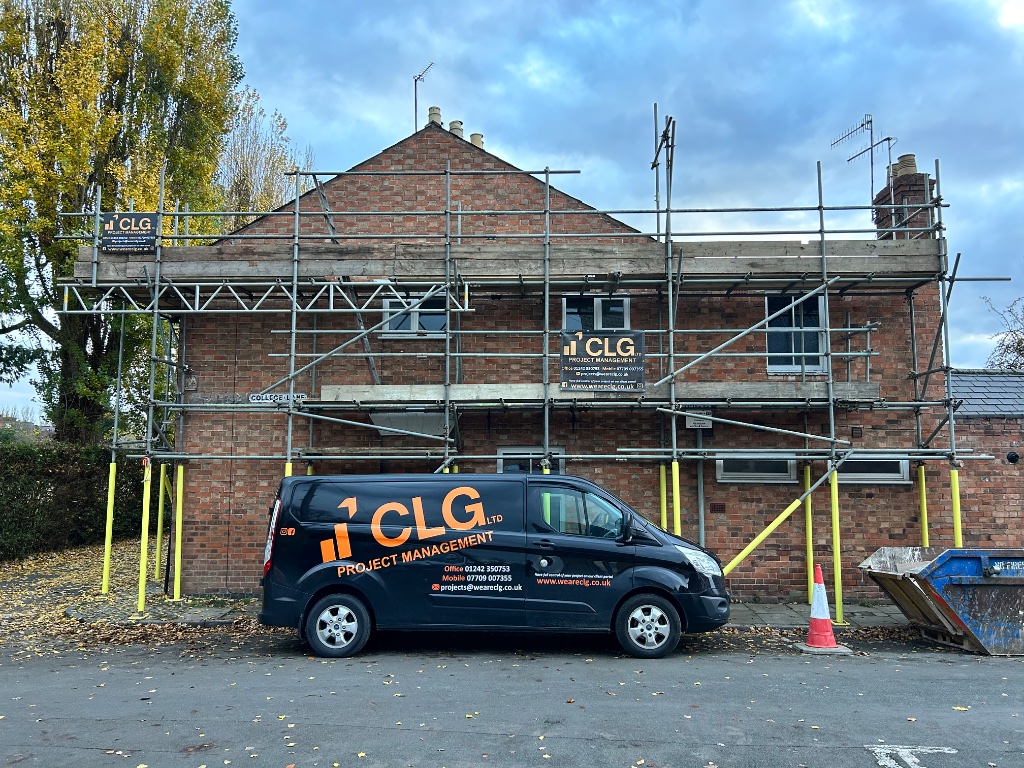
Understanding Planning Permission in Gloucestershire
Whether you're planning a home extension, new build, or renovation project, understanding planning permission requirements is crucial for a smooth project delivery.
Do You Need Planning Permission?
Many home improvements fall under Permitted Development Rights, meaning you don't need formal planning permission. These typically include:
- Single-storey rear extensions up to 4m (detached) or 3m (semi-detached/terraced)
- Two-storey extensions within specific size limits
- Loft conversions that don't significantly alter the roof shape
- Certain outbuildings and garden structures
When Full Planning Permission is Required
Conservation Areas
Gloucestershire has numerous conservation areas, particularly in:
- Cheltenham town center
- Historic Cotswold villages
- Parts of Gloucester and Stroud
In these areas, permitted development rights are often restricted, and you'll need full planning permission for most changes.
Listed Buildings
Any alterations to listed buildings require Listed Building Consent in addition to planning permission. This includes internal and external changes.
Larger Projects
Extensions exceeding permitted development limits, new builds, and significant alterations always require planning permission.
The Different Local Planning Authorities
Gloucestershire has several planning authorities:
- Cheltenham Borough Council
- Gloucester City Council
- Tewkesbury Borough Council
- Cotswold District Council
- Stroud District Council
- Forest of Dean District Council
Each has slightly different requirements and processing times, typically 8-12 weeks for standard applications.
Improving Your Chances of Approval
1. Pre-Application Advice
Most councils offer pre-application services. For a fee (typically £100-£300), planning officers provide feedback on your proposals before formal submission.
2. Neighbor Consultation
Inform neighbors early and address concerns proactively. Many objections can be resolved through dialogue.
3. Quality Drawings and Documentation
Professional architectural drawings and detailed plans demonstrate serious intent and make approval more likely.
4. Consider Design Guidelines
Each council has design guidelines, especially for conservation areas. Ensure your proposal aligns with these requirements.
5. Address Potential Issues
- Overlooking and privacy concerns
- Overshadowing neighboring properties
- Traffic and parking impacts
- Drainage and flooding
- Impact on trees and wildlife
Common Reasons for Rejection
- Excessive size or bulk
- Poor design not in keeping with surrounding area
- Loss of privacy for neighbors
- Inadequate parking provision
- Harm to conservation area character
- Insufficient information in the application
Building Regulations
Even if you don't need planning permission, you'll almost certainly need Building Regulations approval for:
- Structural work
- Electrical installations
- Plumbing and drainage
- Insulation and energy efficiency
- Fire safety measures
Building Control inspects work at various stages to ensure compliance.
CLG UK's Planning Support
We handle the entire planning process for our clients:
- Initial feasibility assessment
- Preparation of drawings and plans
- Submission and management of applications
- Liaison with planning officers
- Addressing objections or concerns
- Building Regulations approval
Timeline Expectations
Standard Applications: 8 weeks Minor Applications: 8 weeks Major Applications: 13 weeks Listed Building Consent: 8 weeks
Appeals can take 6-12 months, so getting it right first time is crucial.
Costs
Planning application fees vary by project type:
- Householder application: £206
- Full planning permission: £462 for most residential
- Listed Building Consent: £206
Get Expert Help
Navigating Gloucestershire's planning system can be complex. CLG UK's experience with local planning authorities helps ensure smooth approvals and timely project starts.
Contact us today to discuss your project and planning requirements.